
Workshop Description: Wine and whisky have spent decades refining sensory frameworks—families, hierarchies, lexicons, and tasting protocols—that help tasters describe complexity with precision. Coffee has its own rich sensory tradition, yet many cuppers struggle with inconsistent vocabulary, under-differentiated aromatic families, or a lack of shared references.
This session explores what coffee can borrow (and what it shouldn’t) from the worlds of wine and whisky: how each beverage organizes aromas, teaches memory, structures language, and links sensory cues to process and origin. Through comparative examples, attendees will learn how cross-beverage frameworks can clarify descriptors, sharpen perception, and strengthen communication across teams and markets.
Attendees will learn to :
Compare the sensory structures used in wine, whisky, and coffee (families, lexicons, tasting sequences).
Identify transferable techniques for building aroma memory and consistency.
Evaluate how cross-beverage approaches help clarify muddled or vague descriptors.
Develop more precise, communicable tasting notes using comparative reasoning.
Understand the limits of cross-framework borrowing and how to adapt methods for coffee’s unique needs.
Date: Friday, June 26, 2026
Time: 15:00 - 17:30
Location: Room 1123
REGISTRATION FEES: €150.00
Booking: To book your place in this Workshop, head to the World of Coffee Brussels Registration & Booking Portal and add a session to your order. Already registered? Simply log in using the credentials created at purchase to access your booking and add other paid events to your badge.
Instructor
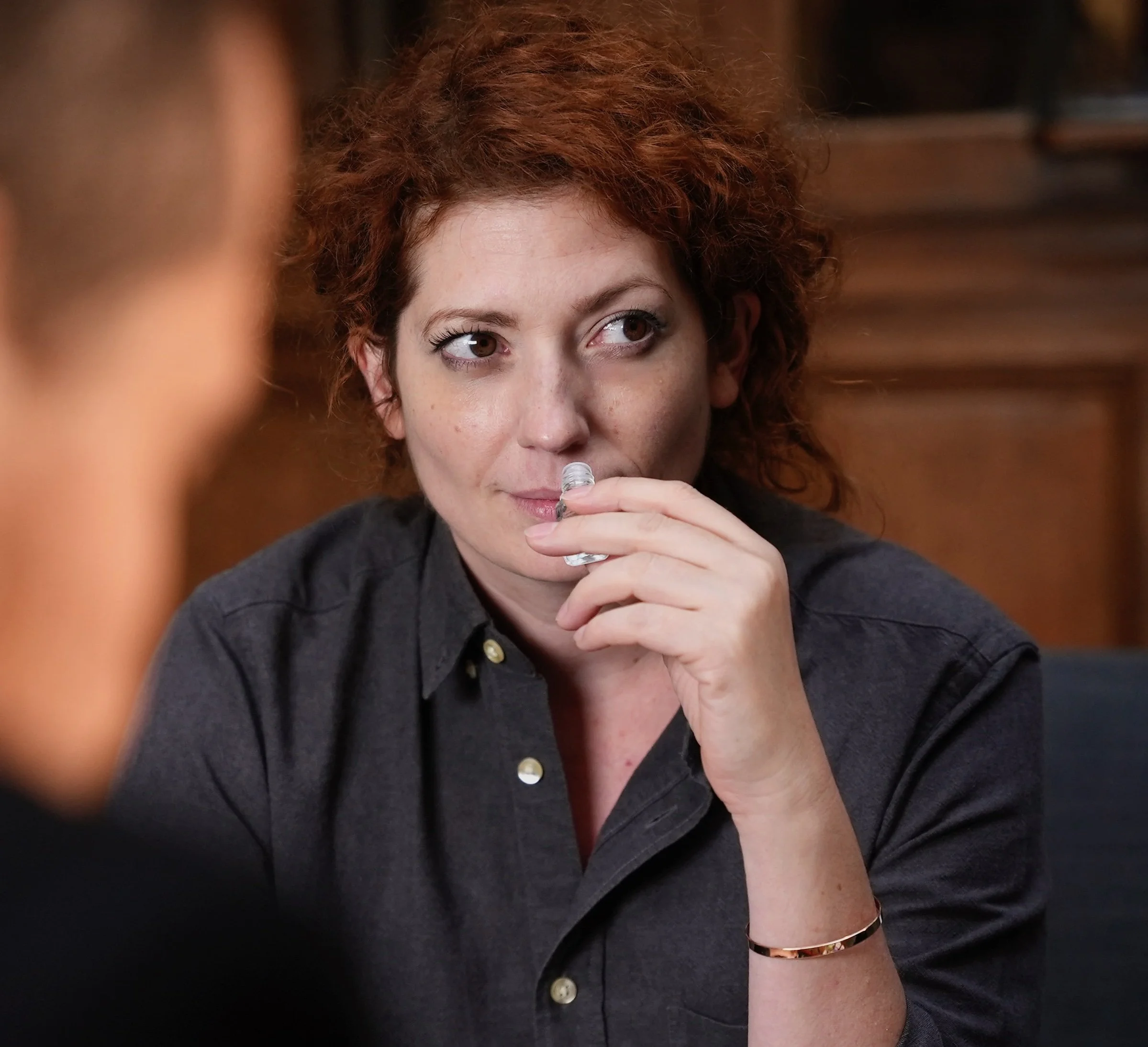
Viva Lenoir
CEO, Editions JL Le Nez du Café
Viva Lenoir is a sensory educator specializing in smell and multisensory perception. For more than a decade, she has trained coffee, wine, and whisky professionals across Europe, North America, and Asia, helping them build stable aroma memory and clearer sensory language. Her work focuses on translating olfactory science into practical tools for cuppers, roasters, baristas, and instructors. She frequently collaborates with researchers, Q graders, and hospitality professionals to develop accessible, evidence-informed approaches to aroma training.