

Lecture Description
Coffee is often understood through chemistry—aroma compounds, extraction, and composition—but coffee is more than chemistry. Its true value emerges in how molecules are transformed into human experience and practical decisions.
This lecture connects three areas often treated separately—flavor chemistry, perception, and sustainability—into one applied framework for coffee professionals. It explores how aroma-active and phenolic compounds shape flavor potential, how perception and context define what customers actually experience, and how the same chemical understanding can be used to rethink coffee byproducts as valuable resources rather than waste.
By translating complex science into clear, practical steps, this session shows how small, informed decisions—how we describe coffee, design experiences, or use side streams—can improve perceived quality, reduce waste, and create new value.
Better coffee is not only about better beans—but about how we transform chemistry into experience.
Date: Thursday, June 25, 2026
Time: 13:00 - 13:45
Location: Room 1122
Category: Science
Access: This lecture is free to attend with a World of Coffee entry badge. Register to attend World of Coffee here.
Please note that lecture sessions are open on a first-come, first-served basis. Early arrival is highly recommended to secure your seat.
Speaker
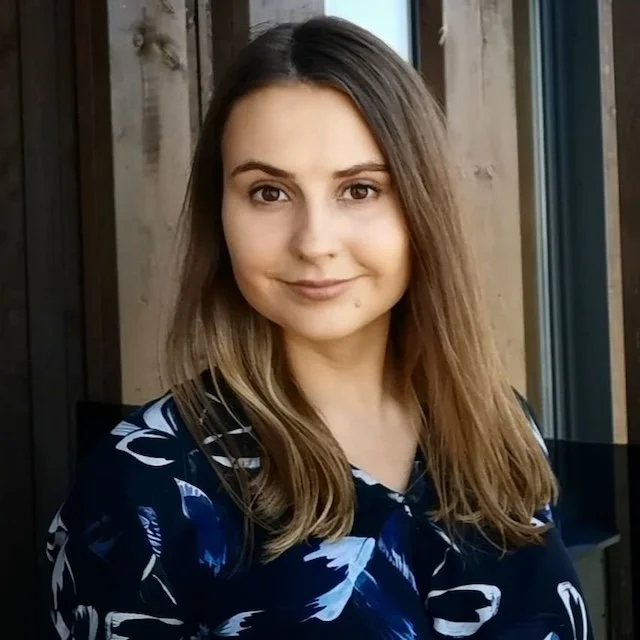
Ilze Laukalēja-Broka
Food Scientist & Coffee Researcher, Latvia University of Life Sciences and Technologies
Dr. Ilze Laukaleja-Broka is a food scientist specialising in coffee chemistry, sensory perception, and consumer experience. Her work focuses on volatile and biologically active compounds and their role in shaping flavour and value in coffee. She has conducted research at Kansas State University?s Sensory, where the Coffee Lexicon was developed, and collaborates with industry partners on consumer studies and product innovation. Based in Latvia, she leads research on coffee bioactive compounds and their applications in sustainable materials, while contributing to the growth of coffee science and innovation in the Baltic region. Her work bridges science and practice, transforming complex research into meaningful industry impact.