

Taxonomic Tensions: Approaching Canephora, Robusta and Conilon
Lukas Harbig, Dr. Piet Stoffelen, Gloria Pedroza
How are coffee sector actors preparing for the EU Deforestation Regulation? Research impressions from Brussels, Colombia and Côte d’Ivoire
Prof. Janina Grabs, Dr. Charline Depoorter, Dr. Alexandra Bögner, Daria Scharnhorst, Lucia Casalegno, Lesly Nassila
Real Beans, Real Wins: How Partnerships are Building Resilient Coffee Chains
Abdulahi Aliyu (Rikolto), Nadia Hoarau Mwaura (JDE Peet’s), Andrés Montenegro (SCA), Leopold Mumbere (Rikolto)
Origin with Purpose: Redefining Guatemalan Coffees Country Brand
Andrea Vergara, Carol Gstalder
Building Shared Value: Learning from the 2026 Sustainability Award Winners
Bean Voyage and Coffee Circle
The Strategic Economic Importance of Coffee: Why it matters for EU policymaking
Speakers from the European Coffee Federation, International Coffee Organization, Specialty Coffee Association
Mapping Coffee Oxidation: A Framework for Freshness in Cold Extraction
Agnese Santanatoglia
Making Sense of Coffee’s Value: Sector Perspectives on How Coffee’s Value is Created and Distributed
Andrés Montenegro, Valentina Duque

Exploring the Impact of Nitrogen Injection on Cold Brew Quality: Extraction Levels, Caffeine, and Chlorogenic Acid Concentration
Lecture Description
Cold brew coffee has rapidly gained popularity, presenting new opportunities for roasters and coffee enterprises. However, producing it consistently and at scale introduces unique challenges uncommon to traditional specialty coffee practices. This presentation offers an in-depth exploration of these challenges and innovative solutions for cold brew production. Attendees will gain insights into key parameters such as Total Dissolved Solids (TDS), caffeine, and chlorogenic acid (CGA) concentrations. We will share findings on how nitrogen injection—both in gaseous and liquid states—impacts these critical variables. Additionally, the presentation will cover systematic approaches for long-term monitoring, including microbiological analysis to mitigate biological spoilage risks. By sharing our journey and strategies for improving quality control in cold brew production, we aim to empower coffee professionals to embrace this growing market segment confidently. This session will highlight the importance of scientific precision in driving consistency, quality, and innovation in cold brew preparation.
Learning Objective:
Understand innovative measurement techniques for analyzing coffee and beverages, with a focus on cold brew quality control.
Learn the critical role of monitoring extraction parameters—such as TDS, caffeine, and chlorogenic acid concentrations—in achieving consistent cold brew production.
Explore a real-world case study on nitrogen injection and its impact on cold brew extraction levels and quality, including practical challenges and solutions.
Date: Saturday, June 28, 2025
Time: 3:15 - 4:15 PM
Location: Lecture Room V
This lecture is free to attend with a World of Coffee entry badge. Register to attend World of Coffee Geneva here.
Lecturers / Presenters
Francisco Velazquez (he/him)
Scientific Coordination,Camel Step Co.
Dr. Francisco Velazquez is an experienced biophysical chemist with deep knowledge of the molecular processes in biological systems such as coffee. Within the work at Camel Step Co., we are combining different analytical techniques with standard “coffee lab” quality analysis protocols to leverage a more holistic approach towards coffee science during roasting, at the brew bar and beyond.
Toward Equitable Compliance: Making mandatory human rights and environmental due diligence work for all
Lecture Description
In the rapidly evolving landscape of global value chains and international trade, the concept of mandatory Human Rights and Environmental Due Diligence (mHREDD) has become pivotal for coffee businesses through the value chain. Coffee producers are increasingly required to comply with and implement a range of sustainability requirements to access target markets and attract investments. In-scope companies for the Corporate Sustainability Due Diligence Directive (CSDDD) and the European Union Deforestation Regulation (EUDR) must assess and report not only on how sustainability issues affect their financial health, but also on how their business activities impact the world around them.
Due diligence measures can help ensure corporate accountability, safeguard human rights, and protect the environment. Yet, these measures can be challenging to meet - especially for organizations and businesses in coffee producing countries. It is important to ensure that amidst the rapid developments in linking trade to sustainability considerations, organizations, workers and coffee producers are not left behind.
This diverse panel of established market players throughout the coffee value chain will explore lessons learned from the real cases of accompanying measures implemented in their supply chains to help MSMEs and producers to mitigate associated risks and challenges of mHREDD, while capitalizing on market and income opportunities.
Learning Objectives:
1. Learn how accompanying measures for due diligence can support and strengthen sustainability of supply chains, from producers to in-scope companies
2. Hear diverse perspectives and lessons-learned from the implementation of HREDD, using a participatory and market-based approach.
3. Understand how coffee producer organizations, traders, and roasters can reduce human rights and environmental degradation throughout their supply chains
4. Evaluate the market value and competitiveness opportunities for companies to integrate due diligence into their operations holistically
Date: Saturday, June 28, 2025
Time: 2:00- 3:00 PM
Location: Lecture Room W
This lecture is free to attend with a World of Coffee entry badge. Register to attend World of Coffee Geneva here.
Moderator
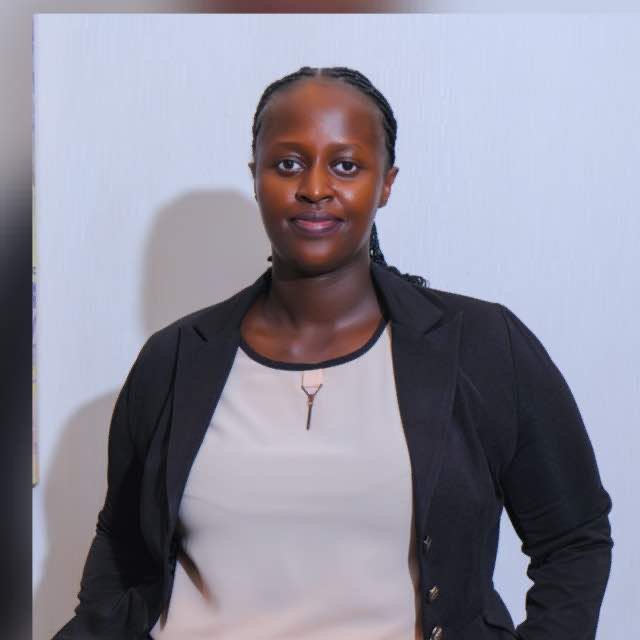
Brendah Akankunda (she/her)
National Coordinator, Uganda, International Trade Centre (ITC)
Ms. Brendah Akankunda is a Trade policy analyst with a legal background currently serving as the National Coordinator of the International Trade Center (ITC) on Responsible Business Conduct work in Uganda implemented under the ITC Alliance for Action.
ITC is a joint agency of the United Nations (UN) and the World Trade Organization (WTO)
Panelists

Mr Kenneth Barigye (he/him)
Managing Director, Mountain Harvest, Uganda
Kenneth Barigye is the Managing Director of Mountain Harvest a coffee company he founded in 2017 to specialize in high quality specialty coffee.
Mountain Harvest challenges the status quo of Uganda’s coffee production where smallholder farmers were producing coffee at a loss and focuses on building a model that improves the quality of life for smallholder farmers while supporting healthy and thriving natural ecosystems by emphasizing the need to boost productivity and improve profitability at the farm level.
Kenneth serves on the boards of the African Fine Coffees Association, Uganda Coffee Federation and Uganda’s National Coffee Research Institute.
Mr Dejene Dadi
General Manager, Oromia Coffee Farmers Cooperative Union (Ethiopia)
Mr Philip von der Goltz
Managing Partner, List & Beisler
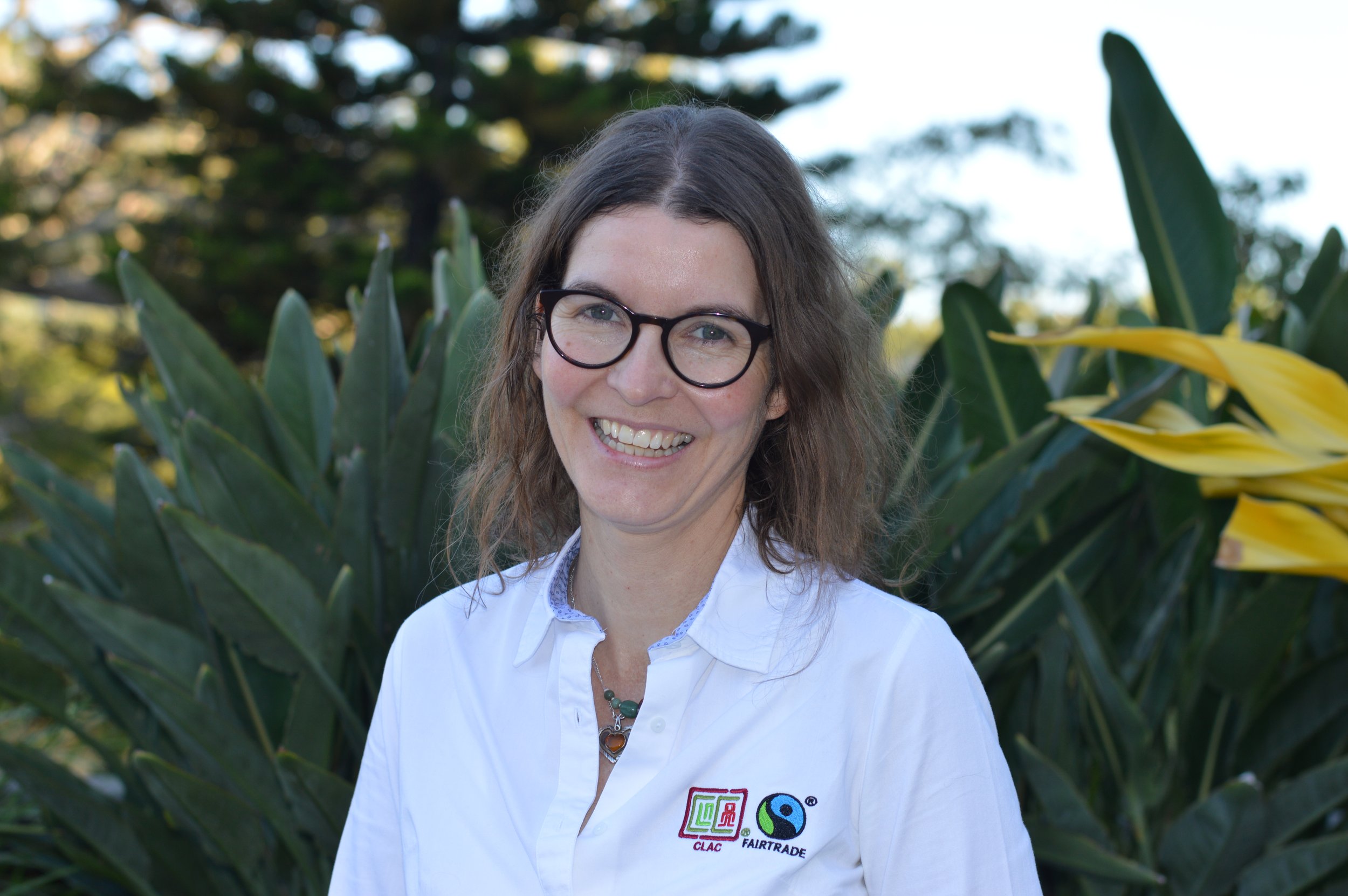
Ms. Anneke Theunissen (she/her)
Director of Operations, Latin American and Caribbean Network of Fairtrade Smaller Producers and Workers (CLAC/Fairtrade)
Originally from the Netherlands, Anneke has worked with CLAC Fairtrade, the Latin American and Caribbean Network of Fairtrade Smallholder Producers and Workers, since 2013. Currently, she is Chief Operating Officer and coordinates the main operations of CLAC in the field, assisting approximately a thousand Fairtrade Producer Organizations in their process of empowerment and organizational strengthening, human rights, access to markets, inclusion, climate resilience and advocacy.
Dr. Gerald Kyaalo
Commissioner of Coffee Development, Ministry of Agriculture, Animal Industry and Fisheries (MAAIF) Uganda

The Evolution of Coffee Culture in Ukraine: Challenges, Adaptation, and Future Prospects
Lecture Description
Prerequisites and Development Until 2022
Growth of coffee culture in Ukraine since the 2010s
Development of the specialty segment, local roasting, and competitions
Challenges After the Full-Scale Invasion
Closure and relocation of coffee shops and production facilities due to active hostilities
Problems with logistics and raw material supply
Job losses in the HoReCa sector
Business Adaptation and New Formats
Volunteer initiatives supporting civilians and the military
Popularization of filter coffee and drip bags
The Role of Coffee in Volunteering and Supporting the Army
Coffee businesses donating to the Armed Forces of Ukraine
Launch of charitable coffee initiatives
Coffee as an element of morale support for both civilians and the military
Changes in Ukrainian Consumer Habits
Increased interest in home brewing and alternative methods
Growing demand for Ukrainian-roasted coffee
Shift towards minimalism and prioritization of quality over quantity
The Future of Ukraine’s Coffee Culture
Post-war recovery: new formats and integration of global trends
International recognition of the Ukrainian coffee market
The impact of war on the identity of Ukraine’s coffee scene
Learning Objective:
Attendees will gain insights into how Ukraine’s coffee culture has evolved and adapted during the full-scale war. Specifically, they will learn about:
Impact of the War– The challenges faced by coffee businesses, including supply chain disruptions and economic struggles.
Adaptation and Innovation – How businesses have adjusted, from volunteer-driven initiatives to changes in consumer preferences.
Coffee and Resilience– The role of coffee in supporting the military, volunteers, and civilians during wartime.
Shifting Consumer Habits – The rise of home brewing, demand for local roasters, and a focus on quality over quantity.
Future Prospects – How the war is shaping the long-term identity and international reputation of Ukraine’s coffee culture.
Collaboration Opportunities – How European coffee businesses can engage with Ukrainian partners, from sourcing roasted coffee to joint educational projects and events.
By the end of the presentation, attendees will understand not only the resilience of Ukraine’s coffee industry but also its potential for growth and influence in the global coffee community
Date: Saturday, June 28, 2025
Time: 2:00- 3:00 PM
Location: Lecture Room V
This lecture is free to attend with a World of Coffee entry badge. Register to attend World of Coffee Geneva here.
Lecturers / Presenters
Volodymyr Yefremov (he/him)
Head of Production, National Judge Coordinator, Idealist Coffee Co.
Volodymyr Yefremov is a Ukrainian coffee professional with over 12 years of experience in the specialty coffee industry. He is a technologist and project manager specializing in coffee production, quality control, and roasting. As the Judge Coordinator for the SCA Ukraine Chapter, he plays a key role in developing national championships and raising professional standards. Volodymyr’s expertise spans the entire coffee chain. After losing a production facility in Hostomel during the war, he remains dedicated to rebuilding and representing Ukrainian coffee excellence on the global stage.

Global Trends in Specialty Coffee: How Shops Around the World Engage Consumers Through Design, Experience, and Communication
Lecture Description
Specialty coffee shops shape consumer experiences through design, storytelling, and sensory engagement. This session presents findings from a global semiotic study, where we visited specialty coffee shops across the USA, China, Latin America, and AOA to uncover key trends in consumer communication, design cues, sensory experiences, and coffee expertise.
Through real-world examples, we will explore how businesses outside Europe set new branding, customer engagement, and experiential design standards. From visual cues to in-store interactions, the session will uncover the emerging themes shaping consumer perception and purchasing behaviour, providing valuable takeaways for roasters, retailers, and café owners looking to enhance their brand presence and connect with customers in new ways. Whether you’re a barista, roaster, or café owner, this session will help you understand global specialty coffee trends and how they can be applied to your own business.
Date: Saturday, June 28, 2025
Time: 12:15 - 1:15
Location: Room V
This lecture is free to attend with a World of Coffee entry badge. Register to attend World of Coffee Geneva here.
Lecturers / Presenters
Ann Ménard, (she/her)
Global Brand Communication and Insight Manager, Nestlé Professional
Ann Ménard, Global Brand Communication and Insight Manager for Nestlé Professional, brings a wealth of expertise and passion to the world of specialty coffee. With over 20 years of experience in 360° customer and consumer insights and communication, Ann has dedicated most of her career to beverage categories.
Having grown up on a dairy farm in the USA, followed by living in Europe and working in more than forty countries across the globe, Ann's diverse background has shaped her cultural understanding and sharpened her insight lens. Her deep appreciation for applied semiotics, communication, user experience, and design fuels her drive to develop innovative tools that craft inspiring stories for both customers and consumers.
Currently based in Switzerland, Ann is responsible for global communication, identifying worldwide trends, and crafting regional consumer and customer insights. With her expertise, she actively guides the development of the innovation and beverage strategy for Nestlé Professional.

Lucia Laurent-Neva (she/her)
Semiotician, Visual Signo - UK
Lucia Laurent-Neva is a global authority on cultural intelligence, semiotics, and anthropology. She advises leading organisations on brand and communication strategy, helping them develop culturally informed approaches to business and communication. Over a career spanning more than twenty years, she has guided projects across Europe, the USA, and emerging markets in Asia, Africa, and Latin America.
Lucia is the founder of Visual Signo UK - Design & Cultural Intelligence and co-founder of Semiofest, the international conference for applied semiotics. Her expertise lies in crafting strategies for diverse audiences, particularly those in emerging economies and global cultural dynamics.

Agroforestry Coffee and Participatory Guarantee Systems Initiatives: How the Slow Food Coffee Coalition Members Build a International Network Based on Biodiversity, Transparency and Collaboration
Lecture Description
The Slow Food Coffee Coalition is a global network of coffee producers, roasters, and activists committed to promoting sustainable and ethical coffee production. As part of the Slow Food movement, the Coffee Coalition focuses on agroforestry and agroecological practices, working to protect biodiversity, enhance environmental sustainability, and support small-scale farmers. By adopting Participatory Guarantee Systems (PGS), members ensure that coffee is grown and traded through transparent, community-driven processes that value local knowledge and collective decision-making. These systems allow farmers to play an active role in defining quality standards and guaranteeing the integrity of their products, creating a stronger connection between producers, roasters and consumers. A core value of the Slow Food Coffee Coalition is fostering collaboration. In this approach, roles within the network are horizontal, promoting equality, and shared responsibility among all members. This inclusive model facilitates the exchange of ideas, skills, and experiences, with the objective of strengthening the overall resilience of the coffee supply chain.
Learning Objective:
Attendees will learn about the role of collaborative networks like the Slow Food Coffee Coalition in promoting sustainable and ethical coffee production, and how these networks foster collaboration, mutual respect, and shared responsibility among members.
Attendees will learn about agroforestry practices and their importance in promoting biodiversity and environmental sustainability within coffee production.
Attendees will learn about Participatory Guarantee Systems (PGS) and how they can have a role in ensuring transparency and community-driven processes in coffee production and trade.
Date: Satarday, June 28, 2025
Time: 12:15 - 1:15 PM
Location: Lecture Room W
This lecture is free to attend with a World of Coffee entry badge. Register to attend World of Coffee Geneva here.
Lecturers / Presenters
Silva Rota (she/her)
Slow Food Coffee Coalition Coordinator, Slow Food
Silvia Rota is the co-coordinator of the Coffee Coalition at Slow Food International. She became involved with coffee through her work at Slow Food, where she contributed to the growth of the Coffee Coalition—an international network of people involved in coffee production, processing, and consumption. The Coalition shares the goal of promoting and advocating for a better, more sustainable, and fairer coffee supply chain, while also raising awareness and educating Slow Food’s audience about coffee.
Her expertise lies in community building and participatory processes, such as the development of local Participatory Guarantee Systems initiatives within coffee communities and other Slow Food groups worldwide.
Cesar Marin (he/him)
Coffee Producer, CHACRA D' DAGO/ SLOW FOOD COFFEE COALITION
Cesar Marin is the Managing Director at Chacra D' Dago based in Junin, Peru. With 15 years of experience in sustainable coffee production and innovation in the specialty coffee industry, he currently manages Chacra D' Dago and is a member of the Slow Food Coffee Coalition, a movement that seeks to create a coffee community based on the principles of biodiversity, transparency, and collaboration.
Efraín Lechuga (he/him)
Coffee Producer, La Victoria
Efraín Llechuga is the 4th generation of a coffee family producer from Puebla Mexico. He is committed to producing organic coffee of the highest quality, but always according to the principle of working with practices that help preserve the nature and positively support the local communities.
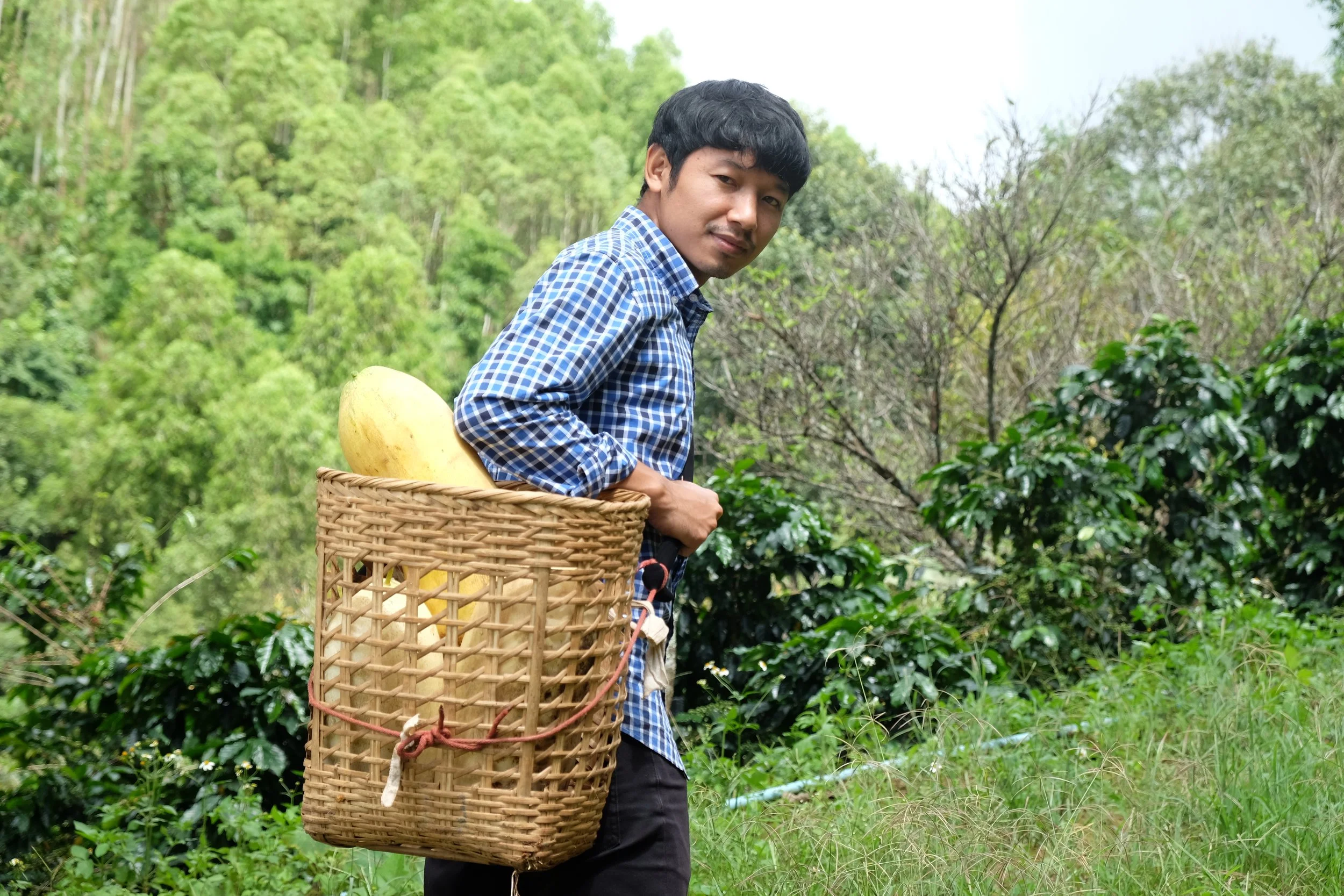
Ayu Chuepa (he/him)
Founder, Akha Ama Coffee
Beginning in 2010, Ayu Chuepa established Akha Ama Coffee as a social enterprise, in Chiang Mai, Thailand. In the same year he met James Beard awarded Chef Andy Ricker and the owner of PokPok restaurant in Portland, Oregon. Mr. Ricker introduced him to Duane Sorenson the founder of Stumptown Coffee Roasters and where he went to train for coffee roasting, coffee cupping and retail & wholesale management in 2013. In 2014, he was selected as Slow Food Delegate from Thailand and participated at Terra Madre in Turin, Italy. Since then he has been participating slow food movement and involving in Slow Food Indigenous Peoples' Network as well as Slow Food Coffee Coalition.

Global Coffee Supply Chain: Overcoming Logistics Disruptions
Lecture Description
Global coffee logistics are facing unprecedented challenges, from vessel shortages and container scarcity to port congestion and unpredictable shipping costs. These disruptions are creating significant risks for exporters, importers, and roasters, affecting supply chain efficiency and profitability.
In this session, I will provide an in-depth analysis of the current logistical bottlenecks impacting coffee shipments, with a particular focus on Brazil—one of the world's largest coffee exporters. Drawing from over a decade of experience in international coffee trade and logistics, I will explore the root causes of these disruptions, their impact on the global market, and strategies to mitigate risks.
Attendees will gain valuable insights into navigating shipping uncertainties, optimizing supply chain operations, and adapting to the evolving logistics landscape. Through real-world case studies and practical solutions, this lecture will equip coffee professionals with the knowledge needed to manage logistics effectively in an increasingly volatile market.
Learning Objective:
Understand key logistical challenges affecting coffee exports, including vessel and container shortages, port congestion, and shipment delays.
Analyze the impact of global supply chain disruptions on coffee pricing, delivery schedules, and supplier-buyer relationships.
Explore risk mitigation strategies to navigate logistical uncertainties, from alternative shipping routes to improved contract structuring.
Gain practical insights from real-world case studies on how exporters and roasters are adapting to these challenges.
Date: Saturday, June 28, 2025
Time: 11:00 AM - 12:00 PM
Location: Lecture Room V
This lecture is free to attend with a World of Coffee entry badge. Register to attend World of Coffee Geneva here.
Lecturers / Presenters
Brayan Cunha (he/him)
Coffee Trader and Logistics Expert, CarmoCoffees
Brayan Cunha is a coffee trader with a degree in International Trade and over 16 years of experience in coffee exports, international logistics, and supply chain management. A native Portuguese speaker, he is also fluent in English and Spanish, with knowledge of German. Brayan coordinated a Brazilian government program focused on preparing coffee producers for international markets. Currently at Carmel Coffees, he travels worldwide to coffee fairs and industry events, building strong relationships with key players and enhancing his expertise in specialty coffee markets.

Exploring Coffee Acidity: A Flavoromics Perspective
Lecture Description
Acidity is a cornerstone of coffee's flavor profile, contributing brightness and complexity to its sensory experience. Despite its importance, the specific compounds driving acidity perception remain underexplored. This lecture examines the intricate relationship between sensory perception and the chemical compounds influencing acidity in coffee. Employing a flavoromics approach, the study integrates sensory evaluations by coffee professionals with advanced chemical profiling techniques. By analyzing coffee samples from diverse origins and processing methods, the research aims to discover how some specific compounds shape the sensory perception of acidity. This session serves as groundwork for a deeper understanding of acidity's role in coffee, emphasizing its importance for improving flavor and consumer satisfaction.
Learning Objective:
The audience will learn the chemical foundations of coffee acidity and its sensory implications.
The audience will understand how a flavoromics approach integrates chemical and sensory data to explain acidity.
Date: Saturday, June 28, 2025
Time: 11:00 AM - 12:00 PM
Location: Lecture Room W
This lecture is free to attend with a World of Coffee entry badge. Register to attend World of Coffee Geneva here.
Lecturers / Presenters
Agnese Santanatoglia (she/her)
PhD Coffee Chemistry, University of Camerino - Simonelli Group
Agnese recently earned her Ph.D. in Analytical Food Chemistry (Coffee Chemistry) at the International School of Advanced Studies. Her research, part of the Research and Innovation Coffee Hub project, was a collaboration between the University of Camerino and Simonelli Group, focused on advancing coffee science. She holds a Master’s degree in Industrial Pharmacy and a Second-Level Master’s in Nutrigenomics. As a visiting Ph.D. student at Ohio State University’s Flavor Research and Education Center, she studied coffee acidity. Her work explores the chemical characterization of coffee brewing methods, analyzing volatile and non-volatile compounds. She has published in high-impact journals, contributes to international conferences, and collaborates with academic and industrial partners.

The Great Coffee Price Breakaway
Lecture Description
Beginning in 2024, a new market environment has changed the playing field for all coffee participants in the coffee supply chain and for consumers as well: inverted markets, differentials, shipping logistics, cash flows, consumer demand, and last but not least, adverse climate effects, all managed to bring the new reality to market participants.
This lecture will delve into all the variables that have affected the coffee market over the past year and will identify the factors that stakeholders in the supply chain will need to negotiate going forward. The financial instruments that are used to transfer these risks to the financial markets will also be explained. The lecture will finish by presenting Stonex's Brazil Coffee harvest report and price outlook.
Date: Friday, June 27, 2025
Time: 3:15 - 4:15 PM
Location: Lecture Room V
This lecture is free to attend with a World of Coffee entry badge. Register to attend World of Coffee Geneva here.
Lecturers / Presenters
Albert Scalla (he/him)
Sr. Vice President of Trading, STONEX
Albert Scalla, Senior Vice President of Trading at StoneX, has combined his considerable knowledge of the commodity markets with his expertise in implementing price risk management strategies using Futures, Options and Structured Products in the commodity markets.
Albert joined Hencorp Futures, later acquired by StoneX, 32 years ago, where he has been an important pillar for the development of Commodity Price Risk Management programs from producers to final consumers in the Coffee, Cocoa and Palm Oil markets.
In these products, Albert has been invited as a guest speaker to several national and international conferences to speak on Price Risk Management for participants in both producing and consuming countries of the supply chain.
Albert received a bachelor’s degree in Business Administration with a specialty in
Finance from Florida International University.

Carbon Footprint in Brazilian Coffee: Measurement and Reduction Strategies
Lecture Description
This presentation explores the practical steps taken by Sancoffee, a Brazilian specialty coffee cooperative and the SCA Sustainability Award Winner 2024, to measure and reduce the carbon footprint of coffee production. Drawing from real-world data and extensive field experience, Ana Claudia Silva will discuss how Sancoffee has developed methodologies for carbon measurement, implemented sustainable practices, and fostered a commitment to environmental responsibility among its member farms.
The session will delve into the cooperative’s efforts to build a carbon-neutral value chain through strategies such as composting, use of cover crops, renewable energy adoption, and the recovery of degraded areas. Attendees will also gain insights into the collaborative process that integrates farmers, cooperatives, and the broader coffee supply chain, creating actionable solutions to address climate challenges while maintaining high coffee quality.
Date: Friday June 27, 2025
Time: 3:15 - 4:15
Location: Room W
This lecture is free to attend with a World of Coffee entry badge. Register to attend World of Coffee Geneva here.
Lecturers / Presenters
Ana Claudia Silva (she/her)
Head of Impact, Sancoffee
Ana Claudia Silva is the Head of Impact at Sancoffee, a Brazilian specialty coffee cooperative with a strong focus on sustainability and community development. She has been deeply involved in initiatives to measure and reduce carbon footprints in coffee production, helping Sancoffee become acknowledged as a carbon-neutral coffee cooperative.
Ana leads key projects like the Bio Recovery initiative, focused on land restoration, and the Nascentes Women Coffee program, which supports female producers in improving coffee quality and achieving greater independence. Her work emphasizes practical approaches to sustainability, combining environmental leadership with tangible benefits for farmers and their communities.